
Commercial Hard Money Lending
Key Takeaways
- Commercial hard money loans are short-term, asset-based loans secured by commercial real estate and approved primarily on property value—not borrower credit scores or tax returns.
- These loans are typically used for time-sensitive acquisitions, bridge financing, value-add rehabs, or when a traditional lender declines the deal, with closings possible in as little as 3–10 business days in 2024.
- Interest rates commonly range from about 9%–14% in the current market, with origination fees of 1–4 points and shorter terms (6–24 months) compared to conventional bank loans.
- Commercial hard money lending can be a smart financing tool for experienced real estate investors and small business owners who have a clear exit strategy (refinance or sale) and realistic projections.
- This article explains how these loans work, when to use them, their pros and cons, common structures, and what private lenders are looking for in 2024–2025.
What Is Commercial Hard Money Lending?
Commercial hard money lending refers to short-term, private loans secured by income-producing or business-use properties. These include office buildings, retail centers, industrial warehouses, mixed-use developments, multifamily properties with 5+ units, special-use facilities, and similar commercial real estate assets. Unlike traditional bank loans, hard money financing is funded by private investors, private companies, or specialized lending firms rather than deposit-funded institutions.
The underwriting approach is fundamentally different from what you’d encounter at a bank or credit union. Hard money lenders focus primarily on the property’s current market value, its projected value after improvements, and the viability of your exit strategy. Full tax returns, extensive financial history, and strict debt service coverage ratio (DSCR) tests take a back seat to collateral strength and project feasibility.
In the marketplace, you’ll see commercial hard money loans referred to by several names:
- Bridge loans – emphasizing their short-term, transitional nature
- Private money loans – highlighting the non-bank funding source
- No-doc or lite-doc loans – referencing the reduced documentation requirements
- Asset-based commercial loans – describing the collateral-focused underwriting
Typical loan characteristics include:
- Secured by a first-lien deed of trust or mortgage on the commercial property
- Interest-only monthly payments during the loan term
- Balloon payment due at maturity (full principal repayment)
- Terms usually ranging from 6 to 24 months
- Extension options sometimes available for an additional fee
To illustrate: imagine you’re acquiring a small shopping center for $3.2 million in 2024. The property has 40% vacancy and needs tenant improvements. A bank won’t touch it because the current cash flow doesn’t support traditional DSCR requirements. A commercial hard money lender, however, might provide a $2.5 million loan based on the property’s as-is value and your plan to stabilize it within 18 months.
It’s worth noting the distinction between commercial and residential hard money. Commercial hard money deals involve larger average loan sizes, different regulatory frameworks, and underwriting focused on rent rolls, business plans, and repositioning strategies rather than owner-occupied use. While a residential hard money loan might fund a single-family flip, commercial deals finance assets that produce (or will produce) rental income or serve business operations.

How Commercial Hard Money Loans Work
Understanding the mechanics of commercial hard money helps you move quickly when the right opportunity appears. Here’s a step-by-step overview of the typical process from initial inquiry to funding.
Step 1: Initial Inquiry and Term Sheet (24–48 hours)
You submit basic deal information—property address, purchase price or current value, loan amount requested, and a brief summary of your business plan. Many hard money lenders can issue a preliminary term sheet within 24 to 48 hours if the deal fits their lending criteria.
Step 2: Property Valuation and Due Diligence (3–7 days)
The lender orders a commercial appraisal or broker price opinion (BPO) to confirm the property’s value. Simultaneously, title work begins, and you’ll provide supporting documents like the purchase contract, rent roll, and basic operating statements.
Step 3: Underwriting and Approval (5–10 business days)
The underwriting team reviews the collateral, your equity position, the project budget (if applicable), and your exit strategy. Credit checks on sponsors are typically “light” compared to banks—focused more on recent foreclosures, bankruptcies, or legal issues than on FICO optimization.
Step 4: Closing and Funding (5–15 business days total)
Once approved, you move to closing. Commercial hard money closings can happen in as little as 5–15 business days depending on title clearance and appraisal timing. Contrast this with 30–90+ days for most traditional bank financing.
Basic Loan Structure
Commercial hard money loans are secured by a first-position lien on the property. Key structural elements include:
- LTV (Loan-to-Value): Typically 60%–75% of the property’s as-is value
- LTC (Loan-to-Cost): Often 70%–80% of total project cost for acquisition plus rehab
- ARV-based lending: Some lenders will advance up to 65%–70% of after-repair value for value-add projects
Even for so-called “no-doc” commercial loans, you’ll typically need to provide:
- Purchase contract or proof of ownership
- Current rent roll and operating statements
- Rehab or construction budget with contractor estimates
- Entity documents (LLC, LP, or corporation)
- Simple personal financial statement from guarantors
How Payments and Costs Work
Most commercial hard money loans require monthly interest-only payments. For heavy construction or renovation projects, lenders may build an interest reserve into the loan amount, covering payments during the rehab period.
Origination points and upfront fees are collected at closing. These typically range from 1–4 points (1%–4% of the loan amount) plus third-party costs like appraisal, title insurance, and legal fees.
Example calculation:
- Loan amount: $1,000,000
- Interest rate: 11% annually
- Origination: 2 points ($20,000)
- Term: 12 months, interest-only
Monthly interest payment: $1,000,000 × 11% ÷ 12 = $9,167/month
Total interest over 12 months: $110,000
Add origination fee: $20,000
All-in cost for the year: $130,000 (13% effective annual cost)
This doesn’t include closing costs, appraisal fees, or potential extension fees—important to factor into your project budget.
Commercial Hard Money vs. Traditional Bank Loans
Both commercial hard money and traditional bank loans are secured by real estate. Beyond that, they differ significantly in approval criteria, speed, cost, and flexibility.
Bank Underwriting in 2024
Traditional lenders—banks, credit unions, and other traditional lenders—emphasize borrower creditworthiness above almost everything else. Expect:
- Detailed review of the borrower’s credit score (typically 680+ for best rates)
- Tax-return-based income verification covering 2–3 years
- DSCR ratios of 1.20x–1.25x or higher for the property
- Global cash flow analysis of the borrower’s entire portfolio
- Strict requirements for property occupancy, lease terms, and seasoning
If your tax returns show low net income due to depreciation and deductions (common for real estate professionals), or if the property is vacant or transitional, banks will likely decline the loan request.
Hard Money Underwriting
Private hard money lenders flip the script. Their primary focus is:
- Collateral value and marketability of the property
- Project viability and realistic execution timeline
- Sponsor’s track record with similar commercial projects
- Clear, credible exit strategy (sale or refinance)
They’re willing to work with borrowers who have poor credit, recent credit events, unconventional income documentation, or properties that fall outside traditional bank guidelines.
Speed Comparison
| Aspect | Traditional Bank Loan | Commercial Hard Money |
|---|---|---|
| Initial response | 1–2 weeks | 24–48 hours |
| Underwriting | 3–6 weeks | 5–10 business days |
| Total closing time | 30–90+ days | 7–21 days |
| Documentation depth | Extensive | Streamlined |
Cost Comparison
Traditional financing typically prices commercial loans at a spread over SOFR or Prime—often landing at 6%–9% for well-qualified borrowers on stabilized properties in 2024. Commercial hard money runs higher: 9%–14%+ interest with 1–4 points in origination fees.
When to Choose Each Option
Lean toward a bank loan when:
- You have a stabilized, cash-flowing property
- Strong personal credit and documented income
- Long-term hold strategy (5+ years)
- You can wait 60–90 days to close
- Lowest possible interest rate is the priority
Consider hard money when:
- Tight closing timeline (10–21 days)
- Transitional, vacant, or value-add property
- Complex story the bank won’t underwrite
- Bank declined but equity position is strong
- You need flexibility on structure and terms
Pros of Commercial Hard Money Lending
While hard money carries higher interest rates compared to banks, it offers strategic advantages that can justify the cost on the right deals. The key is matching the financing tool to the situation.
Speed Advantage
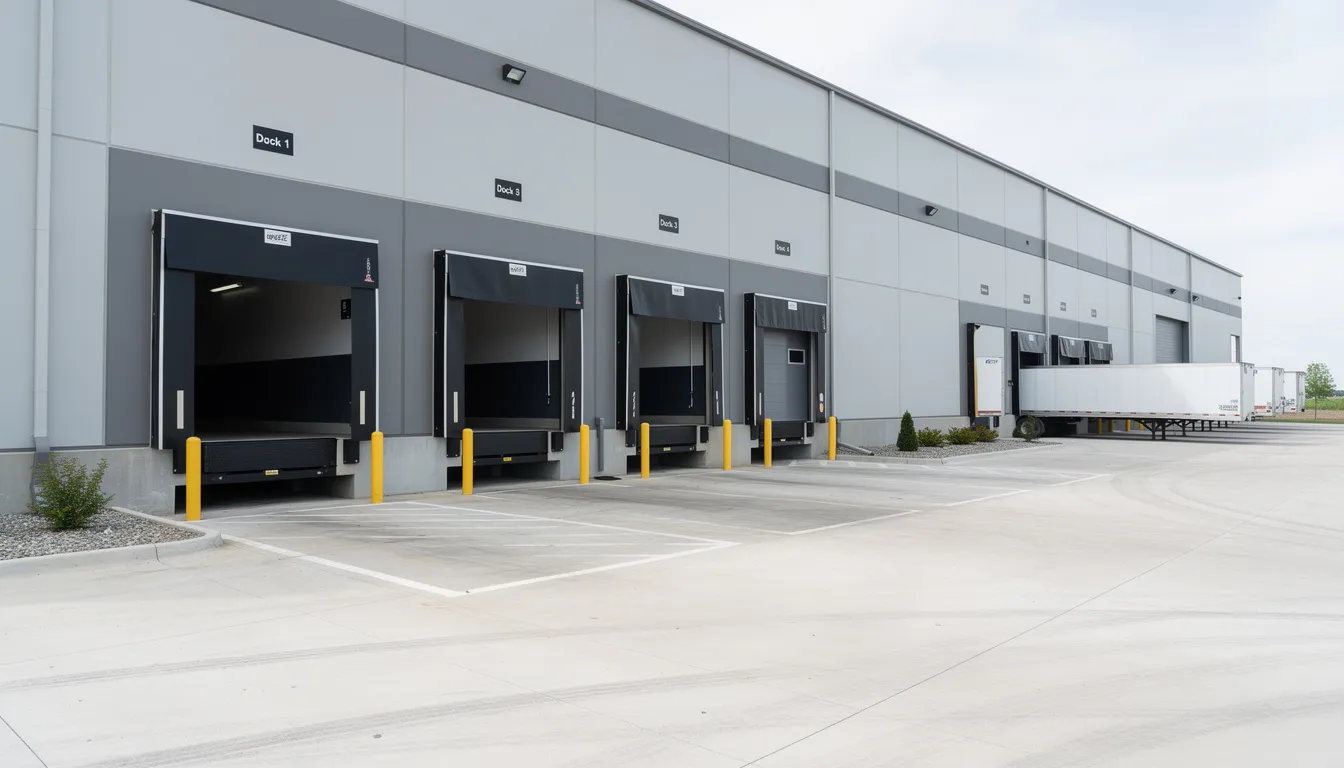
In competitive 2024 markets—especially for small industrial properties and multifamily assets—sellers increasingly favor buyers who can close quickly. Commercial hard money enables you to meet 10- to 21-day closing deadlines that would be impossible with traditional financing.
Imagine finding a 20,000-square-foot warehouse listed at a discount because the seller needs to close within two weeks. With a direct lender providing commercial hard money, you can write a clean, non-contingent offer and win the deal against buyers still waiting on bank approval.
Underwriting Flexibility
Hard money lenders routinely finance properties that banks won’t touch:
- Vacant or severely under-leased buildings
- Properties requiring significant renovation
- Assets in the middle of repositioning or lease-up
- Unusual property types or special-use facilities
- Buildings with deferred maintenance or code issues
Looser Borrower Requirements
Many hard money lenders work with:
- Self-employed sponsors with tax-minimized income
- Foreign nationals investing in U.S. commercial property
- Investors with blemished credit or recent credit events
- Newly formed LLCs or entities without operating history
What matters most is your equity contribution, the property’s value, and your ability to execute the business plan.
Structural Flexibility
Unlike rigid bank programs, commercial hard money offers creative structures:
- Interest-only payments throughout the term
- Draw schedules for rehab and construction loans
- Cross-collateralization using multiple real estate holdings
- Tailored collateral packages to achieve needed leverage
- Interest reserves built into the loan for construction projects
Access to Capital When Banks Say No
Commercial hard money lenders commonly fund deals declined by banks due to:
- Low DSCR on transitional properties
- Borrower’s credit history showing scores under 660
- Recent bankruptcies (within 2–3 years)
- Properties emerging from COVID-era vacancies
- Unusual income documentation or entity structures
Consider a property owner with a mixed-use building showing 50% occupancy after pandemic-related tenant losses. Banks won’t underwrite the current cash flow. A private hard money lender focuses instead on the building’s location, replacement cost, and the owner’s lease-up plan—approving the loan based on collateral strength and a 25%+ equity position.
Strong down payment requirements (often 25%–40%) can offset weak borrower profiles or unusual property characteristics. If you have significant skin in the game, many lenders will find a way to structure the deal.
Speed and Certainty of Closing
Beyond raw speed, hard money lenders offer something equally valuable: certainty. Their streamlined underwriting—relying on BPOs or fast commercial appraisals, in-house credit decisions, and shorter approval chains—means fewer surprises between term sheet and closing.
Typical approval times in 2024:
- Initial term sheet: 24–48 hours
- Final loan approval: 5–10 business days (assuming clean title and prompt documents)
- Funding: 7–21 days total
Sellers of commercial property in tight markets often prefer buyers backed by reputable private lenders who have demonstrated they can close on hard deadlines. Your lender’s track record and funding certainty can be as important as timing in winning competitive deals.
Cons and Risks of Commercial Hard Money Loans
Commercial hard money is high-cost, short-term capital. Misuse can quickly erode profits or put your property—and your equity—at serious risk.
Before signing any loan documents, understand these potential downsides:
Higher Costs and Fees
The total cost of hard money financing significantly exceeds traditional alternatives. In 2024, expect:
- Interest rates: 9%–14% depending on leverage, property type, sponsor experience, and market conditions
- Origination fees: 1–4 points (each point = 1% of loan amount)
- Third-party costs: Appraisal, title, legal, environmental, and underwriting fees
- Extension fees: Typically 0.5%–1% if you need more money time beyond the original term
Cost illustration:
| Item | Amount |
|---|---|
| Loan amount | $1,500,000 |
| Interest rate | 11% |
| Term | 12 months |
| Origination (3 points) | $45,000 |
| Annual interest | $165,000 |
| Estimated closing costs | $15,000 |
| Total cost | $225,000 |
That’s an effective 15% annual cost of capital. Compare this to a conventional bank loan at 7%–8% with 1 point origination, and you’re paying a significant premium for speed and flexibility.
Some lenders also charge default rates (rate increases of 3%–5%) and late fees if payments or payoff dates are missed, further compounding your costs if the project runs into trouble.
Short Terms and Exit Strategy Risk
Commercial hard money is designed as bridge financing—not permanent capital. Your exit plan must be clear and achievable before you close the loan.
Market-related risks to consider:
- Cap rates may expand between loan origination and your planned refinance
- Interest rates on take-out loans could rise, reducing how much you can refinance
- Leasing may take longer than projected in 2024–2025 market conditions
- Construction costs could exceed budget, delaying stabilization
Stress-test your plan before closing:
- What happens if rehab takes 6 months longer than expected?
- Can you handle 90-day vacancy between tenants?
- What if your refinance loan proceeds come in 5%–10% below projections?
- Do you have reserves for extension fees if needed?
Borrowers who fail to refinance or sell before maturity face tough choices: negotiate an extension (usually expensive), find alternative financing under pressure, or risk foreclosure. Hard money lenders protect their capital aggressively—if you can’t pay, they will pursue remedies.
Budget for extension options, extra interest reserves, and potential cost overruns. The most successful commercial borrowers plan for the unexpected.
When Does Commercial Hard Money Make Sense?
Commercial hard money loans are a specialized financing tool—powerful under the right circumstances, expensive when misapplied. Understanding when this capital fits your strategy is crucial.
Ideal use cases include:
- Time-sensitive acquisitions: Auction properties, REO purchases, or contracts with 10–21-day closing requirements
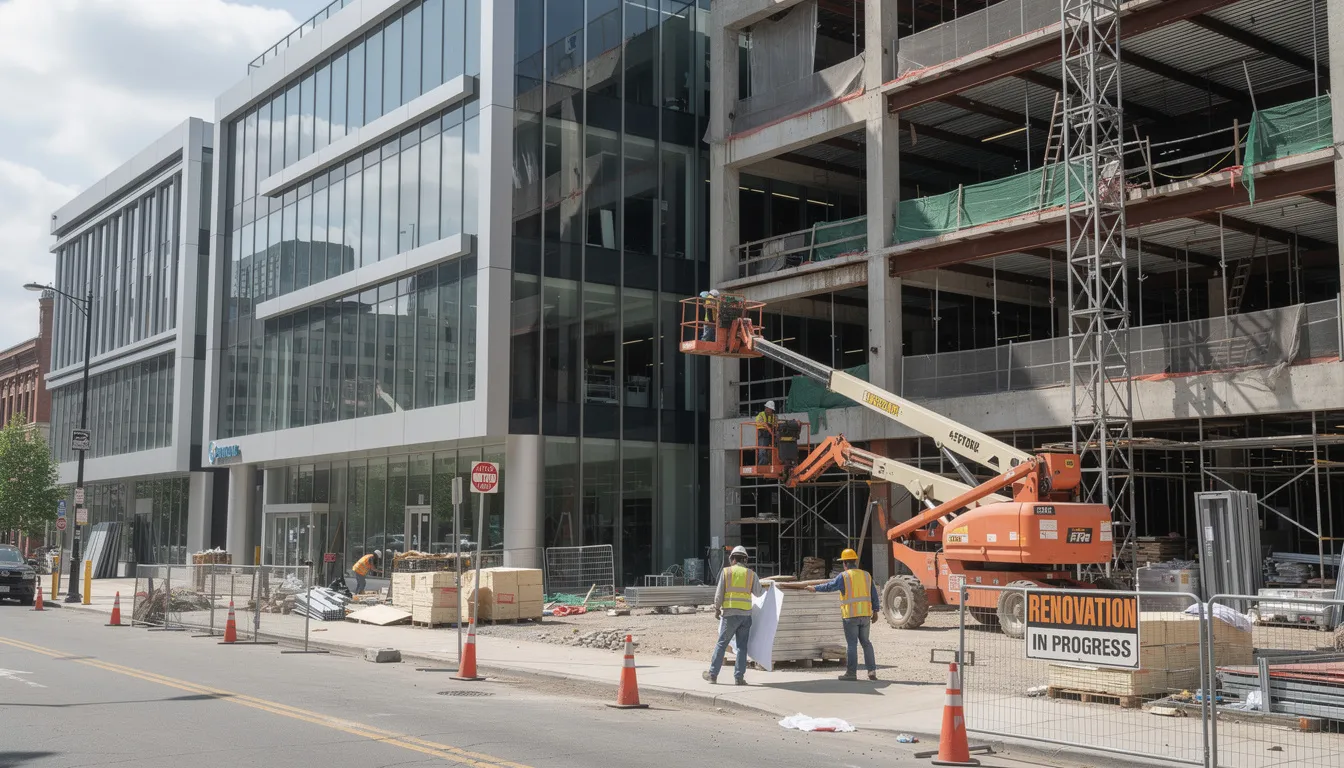
- Repositioning projects: Converting underperforming retail into mixed-use, upgrading class C multifamily, or modernizing obsolete industrial
- Bridge scenarios: Refinancing maturing bank debt, curing technical defaults, or stabilizing a property before permanent financing
- Partner buyouts: Quickly accessing capital to buy out an equity partner
- Note purchases: Acquiring distressed debt secured by commercial property
The common thread: these situations involve transitional assets or time pressure where the borrower will add significant value within 12–24 months, justifying the higher capital cost.
These loans typically appeal to experienced commercial real estate investors and developers who can accurately estimate rehab timelines, lease-up periods, and exit cap rates. Inexperienced borrowers often underestimate the complexity—and the cost of getting it wrong.
Common Commercial Use Cases
Scenario 1: Acquiring a distressed shopping center
You find a small retail center at a 30% discount because of 60% vacancy. Your plan: use a $2 million commercial hard money loan to acquire, complete tenant improvements, and sign new leases over 12–18 months. Once stabilized at 90%+ occupancy, refinance into a conventional commercial real estate loan or SBA financing.
Scenario 2: Warehouse-to-flex conversion
A vacant 25,000-square-foot warehouse in a growing submarket needs $400,000 in improvements to convert to flex industrial space. Traditional lenders won’t finance the conversion. A private lender provides an asset-based loan covering 75% of total cost, with draws tied to construction milestones. Exit: permanent bank loan once the space is leased.
Scenario 3: Mixed-use building with code issues
A mixed-use property needs $200,000 in code-compliant upgrades before the city will issue occupancy permits for the retail space. Banks require stabilized occupancy. Hard money financing bridges the gap, funding improvements and carrying costs until the property is rent-ready and qualifies for traditional bank financing.
Scenario 4: Owner-user acquisition under time pressure
A small business owner wants to purchase a 10,000-square-foot building for their manufacturing operation. The seller requires a 15-day close—impossible for SBA loans or conventional financing. A hard money business loan gets the deal done; the owner refinances into an SBA 504 loan 6–12 months later.
Key Terms, Structures, and Qualifications in Commercial Hard Money
While each private hard money lender has its own criteria, most commercial hard money programs in 2024 share common terms and qualification standards. Understanding these helps you evaluate whether you’re a good candidate before applying.
Key Loan Metrics Defined
| Term | Definition |
|---|---|
| LTV (Loan-to-Value) | Loan amount as a percentage of current property value |
| LTC (Loan-to-Cost) | Loan amount as a percentage of total acquisition + rehab cost |
| ARV (After-Repair Value) | Projected property value after renovations or stabilization |
| Interest-only | Payments cover only interest; principal due at maturity |
| Balloon payment | Full remaining principal due at loan maturity |
Property Types and Loan Sizes
Most commercial hard money lenders finance:
- Multifamily (5+ units)
- Retail centers and shopping plazas
- Office buildings
- Industrial and warehouse properties
- Mixed-use developments
- Hospitality (hotels, motels)
- Special-use and owner-occupied commercial
Loan sizes typically range from $250,000 to $10,000,000+ depending on the lender. Regional lenders may cap at $5–7.5 million, while national platforms and institutional hard money lenders handle larger transactions.
Borrower Requirements
While hard money is more flexible than bank lending, lenders still evaluate:
- Entity structure: Most loans are made to LLCs, LPs, or corporations—not individuals
- Experience: Prior projects of similar scope and complexity
- Equity contribution: Typically 20%–40% of project cost
- Personal guarantee: Required on most small- and mid-balance loans
- Background check: Recent foreclosures, bankruptcies, or criminal issues may disqualify
- Liquidity: Some post-closing reserves often preferred
Typical Commercial Hard Money Loan Terms in 2024
| Parameter | Typical Range |
|---|---|
| Loan amounts | $250,000–$7,500,000+ |
| Loan terms | 6–24 months (sometimes 36) |
| Maximum LTV | 60%–75% of as-is value |
| Maximum LTC | 70%–85% of total cost |
| Interest rates | 9%–14% |
| Origination fees | 1–4 points |
| Payment structure | Monthly interest-only or deferred via interest reserve |
Common covenants include rehab draws tied to third-party inspections, requirements for permits and insurance, and adherence to approved budgets. Failure to meet these conditions can trigger default provisions.
How to Qualify and Prepare a Strong Application
Increase your approval odds by preparing:
- Recent property photos (exterior and interior)
- Basic pro forma showing projected income and expenses
- Current rent roll with lease terms
- 12–24 months of operating statements (if available)
- Detailed rehab or capex budget with contractor bids
- One-page business plan summarizing timeline and exit strategy
Tips for a stronger application:
- Be transparent about credit challenges or past issues—explain what has changed
- Present a clear exit plan (e.g., refinance into SBA 504, agency multifamily, or flip loans by Q3 2025) with realistic assumptions
- Show “skin in the game” through solid equity contribution
- Demonstrate post-closing liquidity for carrying costs and contingencies
The borrowers who get approved fastest are those who make the lender’s job easy—organized documentation, realistic projections, and a clear story.

Frequently Asked Questions (FAQ)
Are commercial hard money loans reported on my personal credit?
Most commercial hard money loans are made to business entities (LLCs or corporations) and typically don’t appear directly on personal credit reports. However, if you’ve provided a personal guarantee and the loan defaults, that default could eventually impact your credit through judgments, collections, or related actions. Some lenders may also pull your personal credit during underwriting, which creates an inquiry on your report.
Can I get a commercial hard money loan in a different state from where I live?
Yes, many private lenders are licensed or registered to lend across multiple states. However, some focus regionally and may not lend in every market. Before applying, confirm that the lender operates in your target state and understand any additional legal requirements—such as judicial versus non-judicial foreclosure rules—that could affect loan terms or the lender’s appetite for that market.
Do I always have to provide a personal guarantee?
For most small- and mid-balance commercial hard money loans, yes. Personal loans guarantees are standard practice, giving the lender recourse beyond just the property if something goes wrong. However, very strong deals with low leverage (under 50% LTV) or institutional sponsors sometimes qualify for non-recourse or limited-recourse structures. Expect to negotiate harder—and potentially pay higher rates—for non-recourse terms.
Can I refinance a commercial hard money loan into an SBA or bank loan?
Absolutely—this is one of the most common exit strategies. Once your investment property is leased up, renovated, and producing stable income that meets DSCR requirements, you can typically refinance into SBA 504/7(a), agency multifamily, CMBS, or conventional bank debt. Plan your project timeline so the property will be stabilized and “bank-ready” before your hard money loan matures.
What happens if I cannot pay off the hard money loan on time?
Start by communicating early with your lender. Most will consider extension options—typically for an additional fee (0.5%–1% of the loan amount) and updated underwriting. If no resolution is reached, the lender may begin foreclosure proceedings to recover the loan balance. Foreclosure timelines vary by state, but lenders generally act faster than traditional banks. Early communication and contingency planning are essential to protect your equity and future growth in real estate investing.


